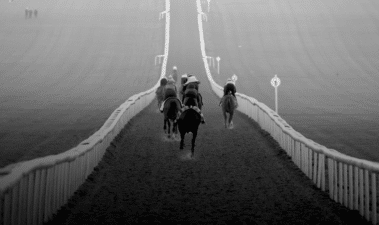

The surface a horse trains on can have a significant influence on performance, safety and welfare. Understanding how that surface is designed, constructed, maintained and prepared is therefore an important part of creating the right training environment.
This September, STRI’s Sarah Hosmer and Dr Christian Spring will bring their expertise in equine training surfaces to the Horse Welfare Board’s ‘Surfaces and Performance: A Multidisciplinary Approach’ pilot course.
The two-day course, funded by the Horserace Betting Levy Board, has been developed for trainers and prospective trainers following feedback from the HWB’s Trainer Engagement project. The programme will explore how surface selection, design, construction, maintenance and preparation can influence horse performance, health, welfare, safety and long-term training outcomes.
The course will take place at the British Racing School in Newmarket on 21–22 September, with another opportunity to take part back at the British Racing School on 19-20 October.
Sarah and Christian will bring STRI’s specialist knowledge of training surface design, construction, maintenance and performance to the programme, covering areas including training surface types, gallop design and construction, surface maintenance and machinery, racing versus training surfaces, surface assessment and measurement, and the commercial considerations associated with training facilities.
A key part of their contribution will be looking at how training surfaces can be assessed objectively, including practical assessment of depth, consistency and track characteristics, alongside the use of measurement techniques and Performance Quality Standards (PQS).
“The training surface is an important part of the wider training environment and understanding how it performs is fundamental to making informed decisions around management and preparation,” says Dr Christian Spring. “This course provides a valuable opportunity to bring together different areas of expertise and look at the relationship between the horse, the surface and the training objectives. We’re pleased to share our experience and contribute to that discussion.”
Sarah adds: “There is no single approach that works for every training facility. Surface type, construction, maintenance, usage and the needs of the horses all need to be considered together. We’re looking forward to helping trainers understand what to look for in their surfaces and how objective assessment can support better decisions around performance, consistency and welfare.”
The course combines classroom learning with practical and interactive sessions, with the horse and its interaction with training surfaces at the centre. Alongside STRI, delegates will hear from expertise across veterinary, farriery, jockey coaching and racecourse environments.
For STRI, the course reflects the importance of taking a considered, evidence-led approach to the design, management and preparation of equine training surfaces.
STRI provides inspection and advisory services for training surfaces, including condition assessments, surface measurement, maintenance reviews and practical recommendations tailored to individual facilities.
STRI offers an independent, in-depth health check, focusing on specific issues or annual audits. Talk to us to book yours today.
Email: enquiries@strigroup.com
Telephone: 01274565131